The Hauraki Gulf / Tīkapa Moana is one of New Zealand’s most diverse recreational fishing grounds, but knowing when to fish can be just as important as knowing where.
Seasonal changes in water temperature, tidal movement and the availability of baitfish all influence where fish congregate and how they feed. An area that produces excellent fishing in November might be considerably quieter by July, while deeper offshore waters can come alive during the colder months.
For boaties heading out from Gulf Harbour, understanding these seasonal patterns and adapting your fishing techniques can make for a more rewarding day on the water.
If you’re combining a fishing trip with a weekend away, take a look at our guide to the top cruising destinations in the Hauraki Gulf.
Spring Fishing: September to November
Spring marks the beginning of one of the most anticipated fishing seasons in the Hauraki Gulf.
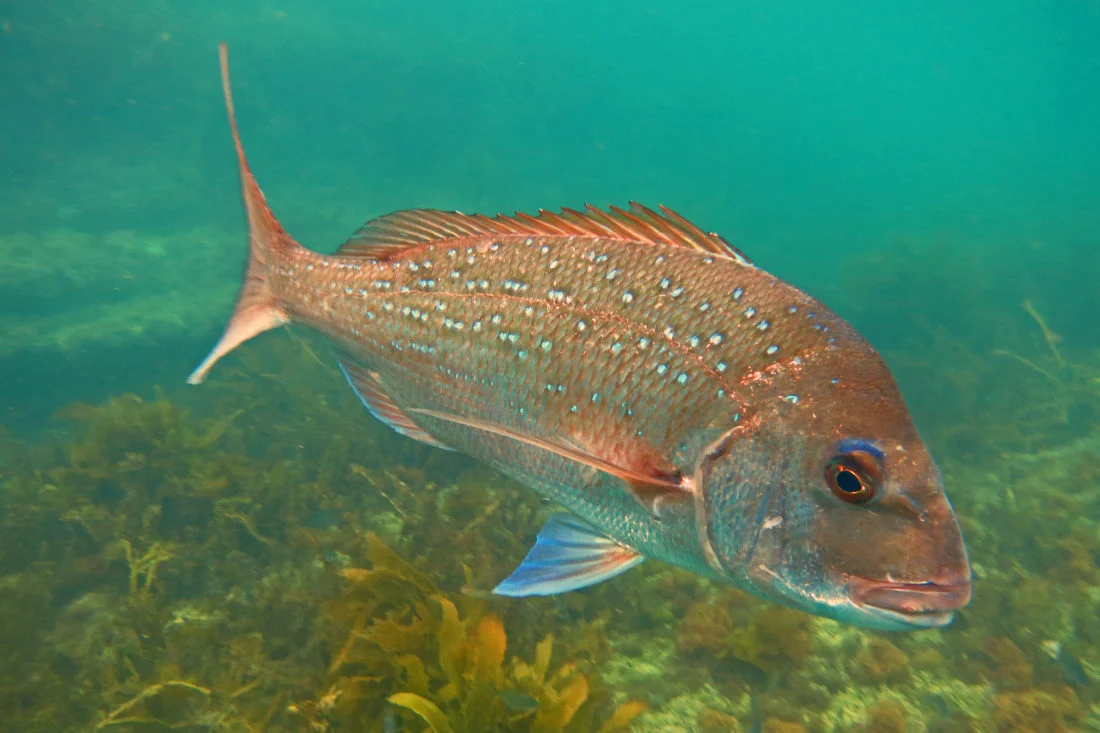
As water temperatures gradually increase, snapper often begin moving towards inshore waters ahead of their spawning season. Increasing baitfish activity can also attract larger predatory fish, creating opportunities for workup fishing.
The waters beyond the Whangaparāoa Peninsula and across the wider Gulf can see significant feeding activity during this period.
Species to look out for:
- Snapper
- Kingfish
- Kahawai
- Trevally
Fishing techniques to try:
- Slow jigging beneath feeding activity
- Soft-baiting along reef edges
- Drift fishing over open seabed
Spring weather can be unpredictable, so keeping an eye on MetService marine forecasts is particularly important when planning a trip.
Summer Fishing: December to February
Warmer water temperatures and longer daylight hours make summer one of the busiest times of year on the Hauraki Gulf.
Snapper can be found across a range of depths, while kingfish are often active around reefs, headlands and areas of stronger tidal movement.
Although snapper remain a popular summer target, spawning activity can make fishing less predictable. If traditional inshore spots are quieter than expected, exploring deeper waters or targeting other species such as kingfish and john dory can be worthwhile.
With more recreational boat traffic during summer, early morning and evening fishing sessions are also worth considering. These periods can coincide with lower light levels and increased feeding activity.
Species to look out for:
- Snapper
- Kingfish
- Kahawai
- John dory
Fishing techniques to try:
- Topwater fishing for kingfish
- Live baiting
- Shallow-water soft-baiting
- Straylining around rocky coastlines
Summer is also a great time to explore different fishing environments, from shallow coastal reefs to deeper channels between the Gulf’s islands, where fishing is permitted.
Autumn Fishing: March to May
Autumn is a favourite season among many Hauraki Gulf anglers.
As water temperatures gradually decrease, schools of anchovies, pilchards and other baitfish can attract concentrations of predators. Snapper continue feeding ahead of winter, while kingfish can remain active well into the cooler months.
Autumn can also bring quieter waterways as the summer holiday crowds disappear.
Workup fishing can be particularly rewarding during this period, with diving gannets and other seabird activity providing visible indications of feeding fish below the surface.
Species to look out for:
- Snapper
- Kingfish
- Kahawai
- Trevally
Fishing techniques to try:
- Slow-pitch jigging
- Fishing down-current of workups
- Drift fishing with soft baits
- Mechanical jigging for kingfish
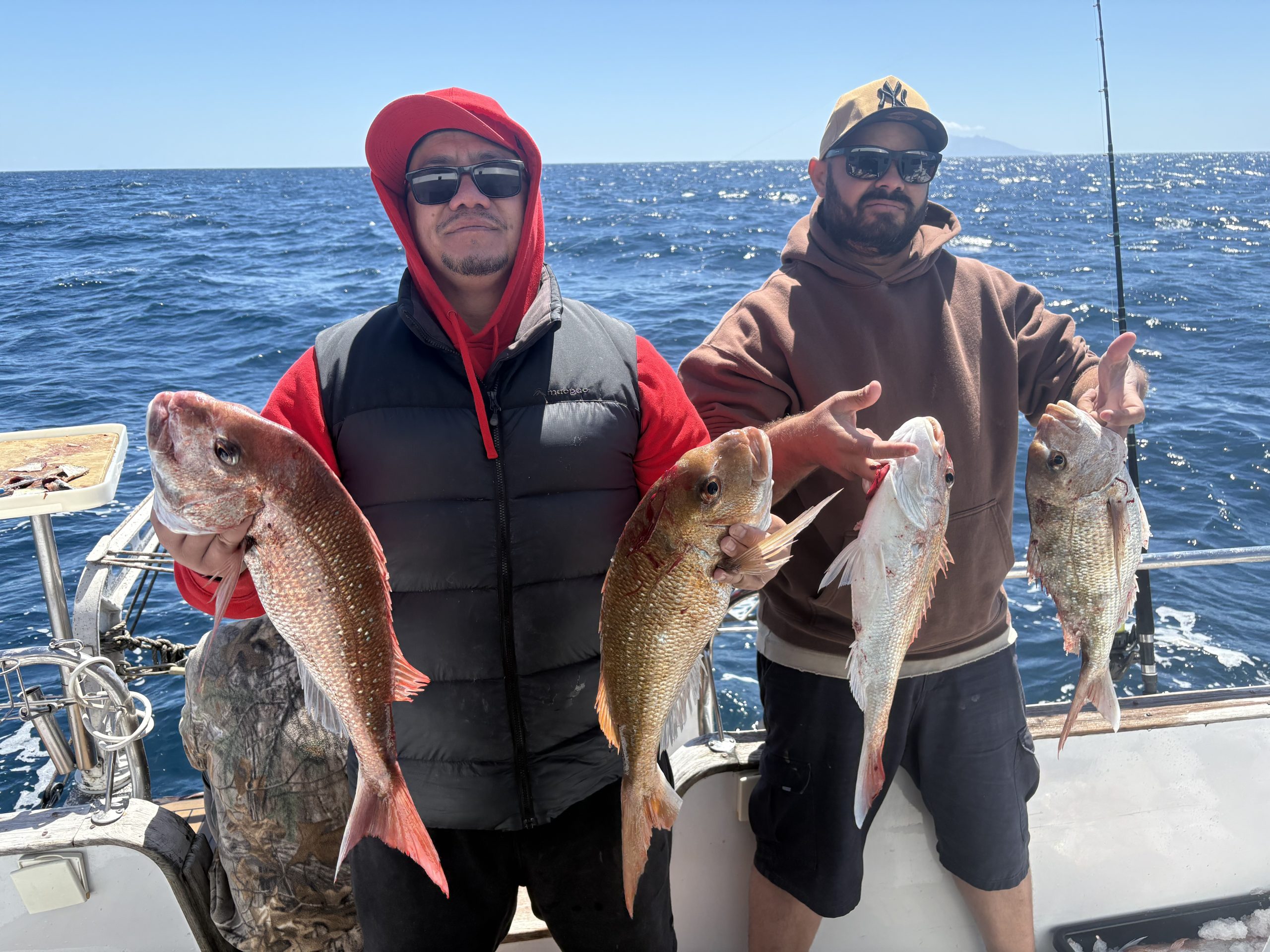
Rather than returning to the same fishing spot every trip, autumn can reward anglers who actively look for baitfish and observe changes in marine activity.
For additional insights from local anglers, take a look at our previous autumn fishing report from Double Rum Charters. While fishing conditions and regulations have changed since its publication, it provides an interesting perspective on seasonal fishing in the Gulf.
Winter Fishing: June to August
While many recreational boats spend less time on the water during winter, the Hauraki Gulf still offers plenty of fishing opportunities.
Some snapper move into deeper waters as temperatures drop, although resident fish can still be found around coastal reefs and rocky structures.
Workups may occur further offshore, where schools of baitfish attract seabirds and predatory fish.
Winter fishing often requires a little more patience and preparation. Fishing around reef systems and underwater structures can also provide opportunities to target larger resident snapper.
Species to look out for:
- Snapper
- Kingfish
- Kahawai
- Gurnard
- Tarakihi
Fishing techniques to try:
- Straylining around reefs
- Slow jigging in deeper water
- Natural bait fishing
- Fishing soft baits with a slower retrieve
Shorter daylight hours, colder conditions and limited weather windows make careful trip planning particularly important during winter. The Coastguard New Zealand website provides useful boating safety information and resources for preparing for a day on the water.
Hauraki Gulf Fishing Calendar
| Season | Common fishing opportunities |
|---|---|
| Spring (September–November) | Pre-spawning snapper, developing workups and increasing baitfish activity. |
| Summer (December–February) | Kingfish, shallow-water fishing and deeper-water snapper. |
| Autumn (March–May) | Snapper feeding activity, anchovy schools and workup fishing. |
| Winter (June–August) | Deeper-water snapper, resident reef fish and offshore workups. |
These are general seasonal patterns rather than fixed rules. Fish movements and feeding behaviour can vary considerably depending on water temperature, currents, weather and baitfish availability.
Understanding Workups in the Hauraki Gulf
One of the most spectacular natural events in the Hauraki Gulf is a feeding workup.
When predatory fish and marine mammals concentrate schools of baitfish near the surface, seabirds gather overhead to take advantage of the feeding opportunity.
Gannets diving repeatedly into the water are often the most visible sign of this activity. Beneath the surface, snapper may be feeding on injured baitfish and scraps falling through the water column.
However, fishing directly in the middle of a workup isn’t necessarily the most effective approach. Drifting through the area down-current of the feeding activity can be productive, as food particles are carried away from the main concentration of baitfish.
It’s also important to give marine mammals plenty of space, follow DOC’s marine mammal viewing guidelines and avoid driving directly through feeding activity.
Reading the Water: What Experienced Boaties Look For
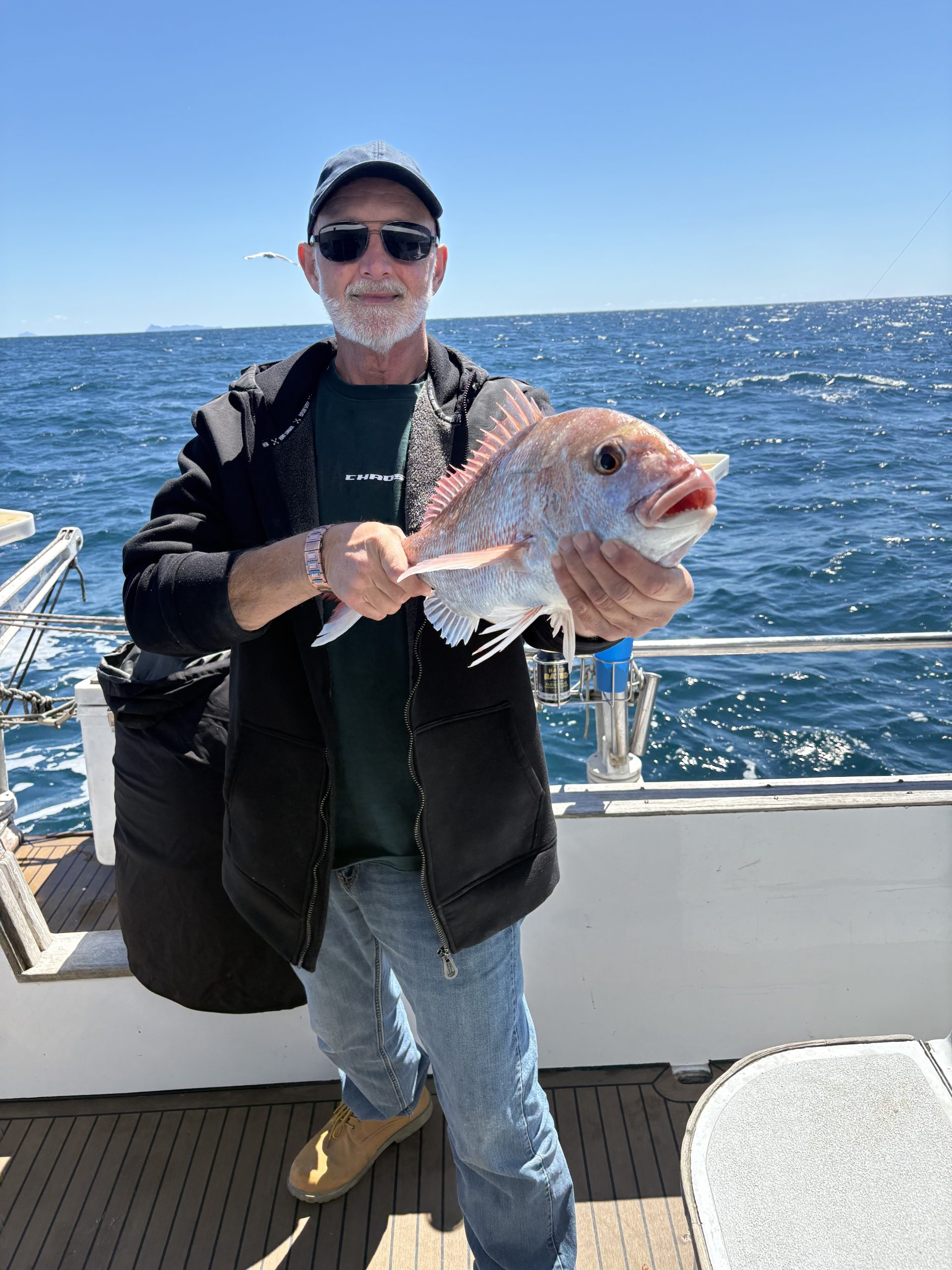
Successful fishing isn’t always about having a collection of GPS marks. Learning to recognise changes in the marine environment can make a significant difference.
Some useful indicators include:
- Current lines: Areas where different water movements meet can concentrate food and baitfish.
- Changes in depth: Drop-offs, channels and submerged structures can attract feeding fish.
- Bird activity: Gannets, terns and other seabirds can reveal the presence of baitfish.
- Tidal movement: Moving water can carry food past reefs and headlands, encouraging fish to feed.
- Baitfish on the sounder: Finding concentrations of baitfish can help identify areas where larger predators may be present.
Keeping a fishing log of your trips, including tide, depth, weather conditions and successful techniques, is also a useful way to build your understanding of the Gulf over time.
Our previous Hauraki Gulf fishing report from Double Rum Charters also explores how tides, bait selection and fishing techniques can influence your success on the water. Always check current restrictions before revisiting historically popular fishing locations.
Fishing Regulations and Marine Protection Areas
The Hauraki Gulf’s marine protection network expanded significantly in October 2025, with 19 new or extended protected areas changing where and how recreational fishing is permitted.
There are three main types of marine protection to be aware of:
- High Protection Areas: Recreational fishing and seafood gathering are prohibited.
- Seafloor Protection Areas: Fishing methods that damage the seabed are restricted. Recreational rod and line fishing is generally permitted, subject to applicable rules.
- Marine Reserves: Fishing and the removal of marine life are prohibited.
The Department of Conservation provides information on Hauraki Gulf marine protection rules, including protected area boundaries and permitted activities.
Separate restrictions relating to exotic caulerpa seaweed also affect anchoring and certain fishing activities in parts of the Gulf.
Before heading out, check the latest Auckland recreational fishing rules and catch limits published by Fisheries New Zealand.
Even if you’ve been fishing the same waters for decades, it’s worth reviewing your saved fishing marks against current protected area boundaries.
Responsible Fishing for Future Generations
The Hauraki Gulf faces ongoing environmental pressures, making responsible recreational fishing more important than ever.
Taking only what you need, minimising fish handling, using suitable tackle and releasing unwanted fish carefully are small actions that can make a difference.
When releasing fish, use wet hands, minimise the time they spend out of the water and avoid touching their gills. Fish caught in deeper waters may also suffer from barotrauma, so consider changing your fishing depth or location if you’re repeatedly catching fish that need to be released.
Boaties can also help prevent the spread of invasive marine species by checking anchors, anchor chains and fishing equipment for attached seaweed before moving between locations.
Biosecurity New Zealand provides guidance on the legal rules for boating and fishing to prevent the spread of exotic caulerpa.
Adapting Your Fishing Approach Throughout the Year
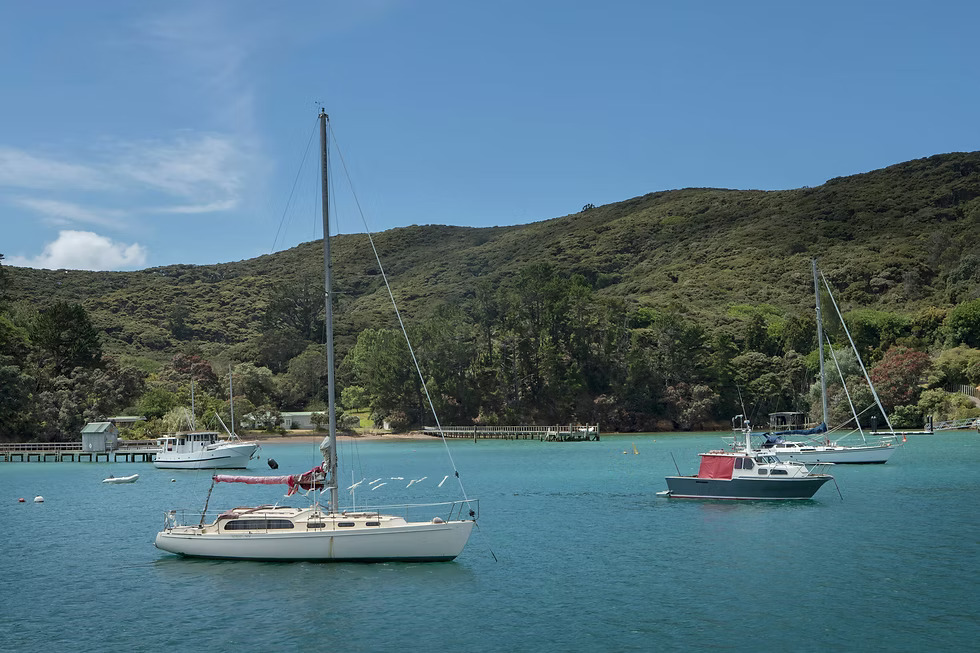
Each season brings something different to the Hauraki Gulf. Spring offers opportunities to target pre-spawning snapper, summer brings increased kingfish activity, autumn can deliver memorable workup fishing, and winter rewards those willing to adapt their approach.
Understanding these seasonal changes, rather than relying on the same locations and techniques throughout the year, is one of the most valuable skills a recreational angler can develop.
Whether you’re a regular on the waters off Gulf Harbour or exploring the Hauraki Gulf for the first time, there’s always something new to learn about this remarkable marine environment.